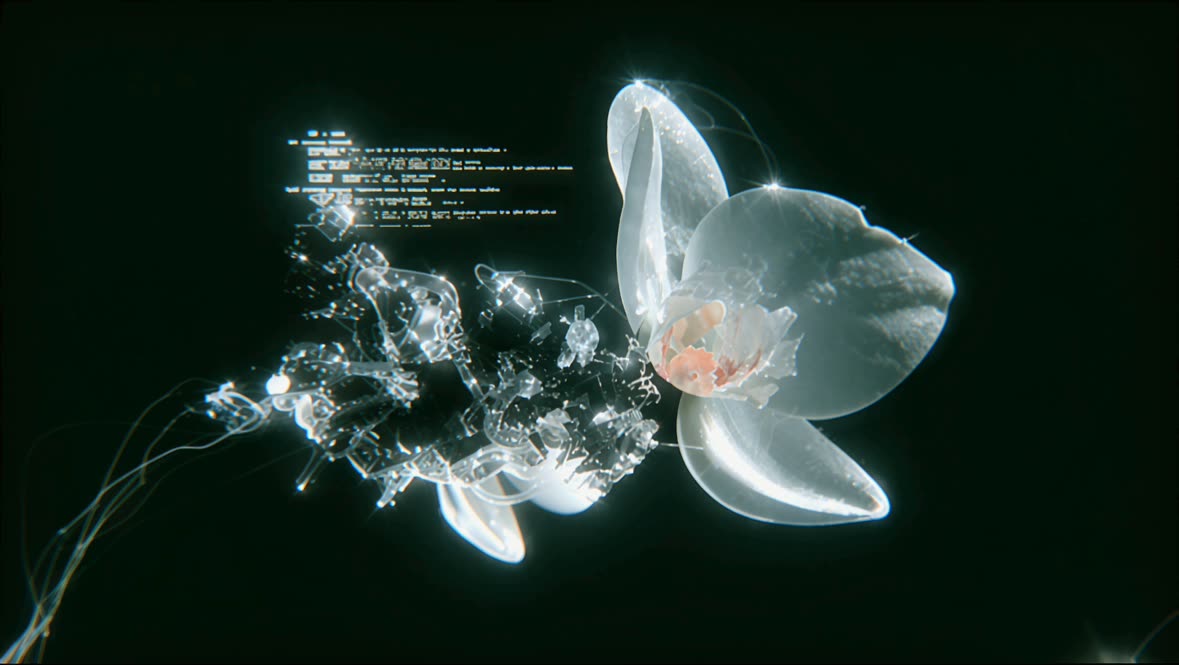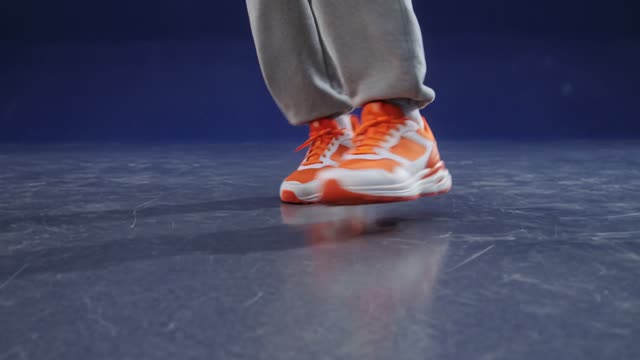
This ComfyUI tutorial workflow demonstrates Wan3.0’s reference-to-video generation: starting from two images, it produces a lifelike, up-to-30-second video that preserves character identity and visual style. Two LoadImage nodes bring in your references (for example, a clean subject image and a context/pose or style image). These feed directly into the Wan3ReferenceToVideoApi node, which sends the request to the Wan3.0 service and returns a ready-to-save video. A SaveVideo node then writes the final clip to disk as an MP4.
Technically, the pipeline is lean and reliable: the heavy lifting happens remotely via the Wan3ReferenceToVideoApi node, so your local GPU is not a bottleneck. The MarkdownNote node in the graph includes inline tips and reminders about inputs and expected outputs. Because the generator is reference-driven, the quality and composition of your two images strongly influence identity lock, motion coherence, and background fidelity. Use this when you want consistent character animation from stills, quick scene mocks from storyboards, or product visuals derived from brand imagery.
API
從程式碼使用此工作流
每個 Comfy 工作流都是一個 JSON 圖。下方的 payload 就是此工作流,與 ComfyUI 執行時完全相同 — 你可以從此 URL 取得、放入版本控制,或在 ComfyUI 載入並逐節點執行。
使用 Comfy SDK 以 TypeScript 或 Python 執行。相同程式碼可用於 Comfy Cloud 或你自架的 ComfyUI — 只需更改 base URL。
// Install (beta)
npm i @comfyorg/sdk

// Run this workflow (TypeScript)
import { Comfy } from "@comfyorg/sdk";

const client = new Comfy({ apiKey: "comfyui-..." });
const wf = await client.workflows.fromFile("workflow_api.json");
const job = await client.run(wf);
await job.getOutputs("<output-node-id>")[0].toFile("output.png");
SDK 需使用 API 格式的工作流:請在 ComfyUI 開啟此工作流,並使用 檔案 → 匯出工作流(API)。
常見問題