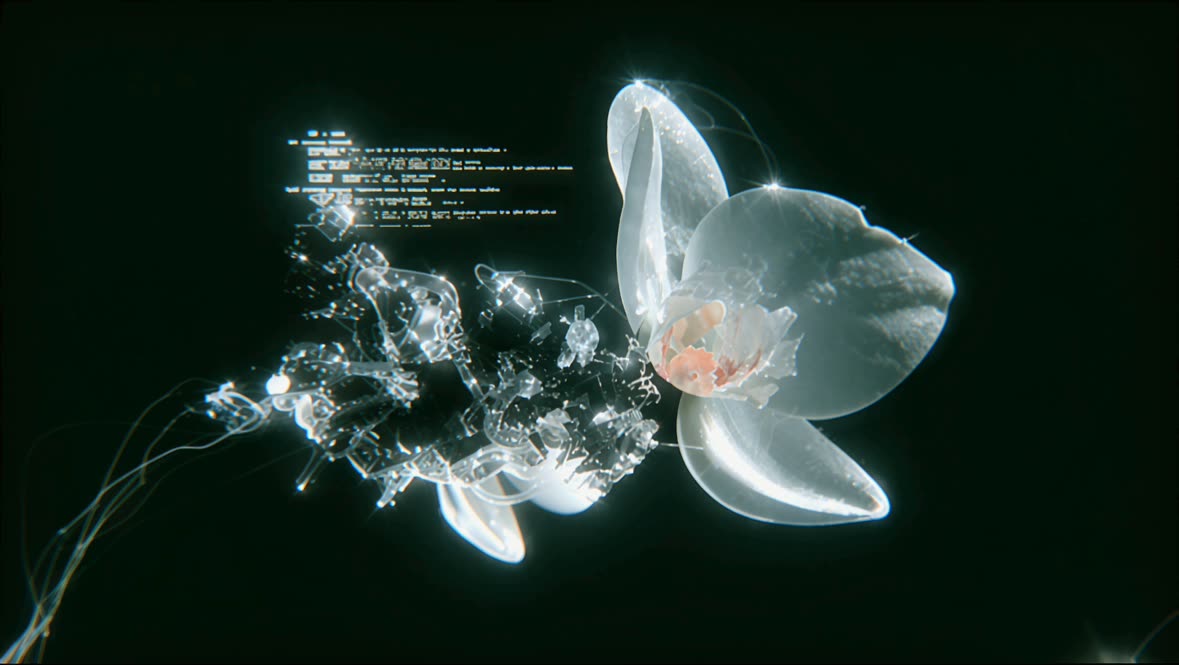
This ComfyUI workflow turns a single text prompt into a short video using the Flux3ImageToVideoNode, then encodes the result to a standard video file with SaveVideo. By default, the template is set up to render at 720p and 24 fps, but you can change width/height and fps to match vertical (9:16), square (1:1), or cinematic (21:9) formats. The workflow can run prompt-only for pure text-to-video, or optionally take in a starting frame through LoadImage to guide composition, subject placement, or style from the first frame.
Technically, Flux3ImageToVideoNode expands your prompt into a sequence of frames with temporally consistent motion. Core controls you’ll use include the prompt text, seed (for repeatability), width/height (aspect and resolution), number of frames (duration), and fps. If you provide a reference image via LoadImage, the node can use it as an initialization frame to better lock framing and identity; the influence of this can be tuned inside the Flux3ImageToVideoNode. Once the frames are generated, SaveVideo assembles them into a single clip. Note that this workflow outputs silent video; if you need audio, add it later in a video editor.
API
從程式碼使用此工作流
每個 Comfy 工作流都是一個 JSON 圖。下方的 payload 就是此工作流,與 ComfyUI 執行時完全相同 — 你可以從此 URL 取得、放入版本控制,或在 ComfyUI 載入並逐節點執行。
使用 Comfy SDK 以 TypeScript 或 Python 執行。相同程式碼可用於 Comfy Cloud 或你自架的 ComfyUI — 只需更改 base URL。
// Install (beta)
npm i @comfyorg/sdk

// Run this workflow (TypeScript)
import { Comfy } from "@comfyorg/sdk";

const client = new Comfy({ apiKey: "comfyui-..." });
const wf = await client.workflows.fromFile("workflow_api.json");
const job = await client.run(wf);
await job.getOutputs("<output-node-id>")[0].toFile("output.png");
SDK 需使用 API 格式的工作流:請在 ComfyUI 開啟此工作流,並使用 檔案 → 匯出工作流(API)。
常見問題